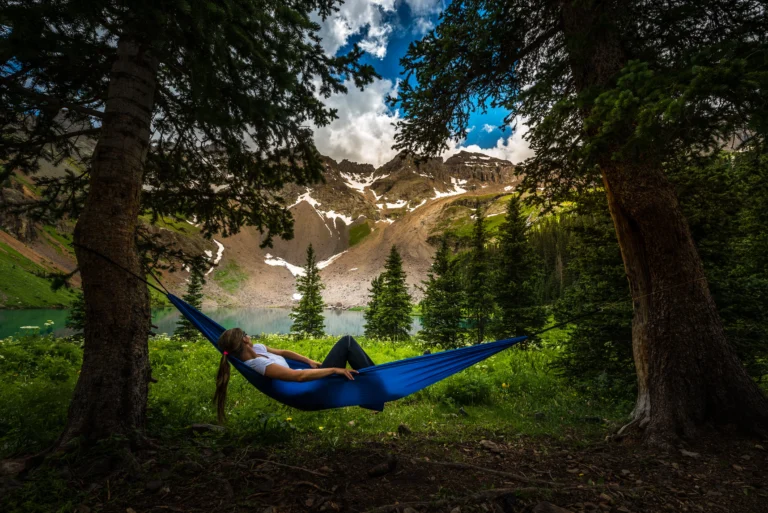
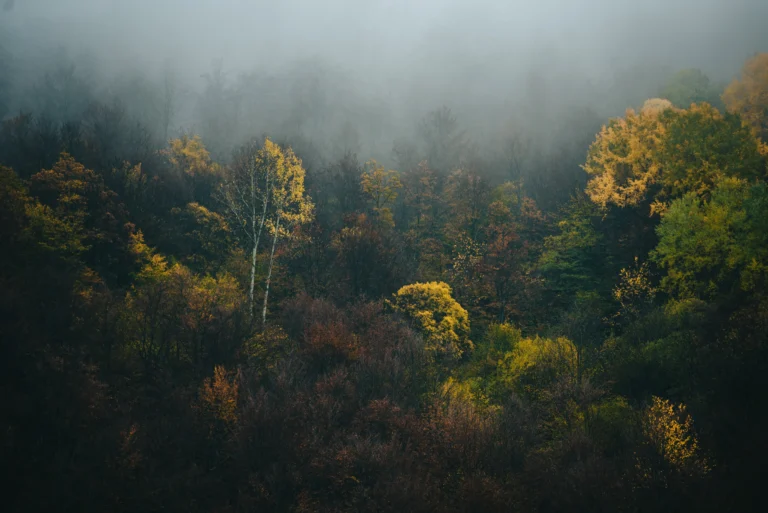
Albota is not just a place where you rest your legs after a busy week, but a small universe of authentic experiences, from the smell of fresh fir to the intense taste of trout raised here – from farm to plate. Set between the quiet of the Transfăgărășan and the pastoral charm of Făgăraș Land, the complex is the ideal starting point for curious travellers, families in search of clean air and lovers of adventure.
1. Hiking on the mountain trails of the Făgăraș Mountains
Who are they for?
– Lovers of serious trekking, ready to take on peaks above 2,500 m (Moldoveanu, Negoiu, Viștea Mare).
– Families or beginners who prefer moderate paths, such as Muchia Moașei or the easy route to Albota chalet.
– Sunrise hunters and amateur photographers, keen to capture golden ridges in the first hours of the morning.
The minimum kit includes waterproof boots, a windstopper jacket, a head torch and at least two litres of water. The best season for the ridge is July – September, while the mid-altitude trails can also be tackled in May – June or October, when the rhododendron colours the meadows.
Setting out from Albota, you reach the “Podu Înalt” point by car; from there the red stripe trail slips through cool forests and climbs towards Turnuri chalet. As the trees thin out, the whole glacial amphitheatre opens up and makes you part of a 360 ° spectacle: the clouds play among the crags, and the ridge, outlined against the blue sky, looks like a fortress wall.
2. A visit to Făgăraș Fortress – a short journey into the Middle Ages
Not far from Albota stands the imposing Făgăraș Fortress, known for its excellent state of preservation. A double belt of thick walls, a water-filled moat full of swans and a wooden drawbridge create the atmosphere of a period film.
Inside you will find the Făgăraș Land Museum, with medieval weapons and folk costumes, the Throne Hall — reconstructed after the splendour of the court of György Rákóczi I and his wife Zsuzsanna Lorántffy — and, on the ground floor, the communist prison cells, a moving counterpoint to the centuries-old story of the fortress.
If you come in August, do not miss the medieval festival: knights in armour, archery demonstrations and lavish tables with spit-roasted lamb.
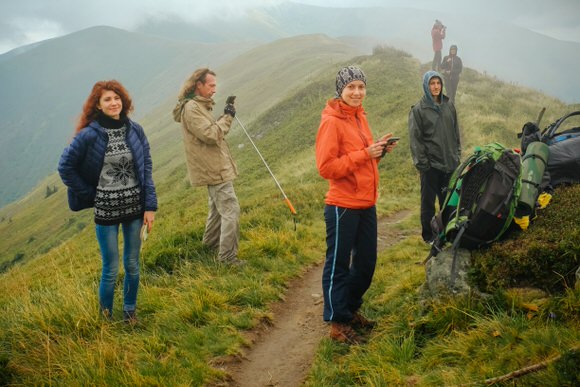
3. Bâlea Lake and Bâlea Waterfall – a glacial duo out of a storybook
Bâlea Lake sits at 2,034 m, a clear eye in the heart of the glacial cirque. The road from Albota to the “end” of the Transfăgărășan is already a spectacle – tight hairpins, short tunnels, wide viewpoints.
Up there you can walk the path around the lake in an hour at most, and at Bâlea chalet a hot goulash is waiting for you, just right after the thin air. Twenty minutes down the red dot trail you can hear Bâlea Waterfall, with a drop of almost 60 m.
In winter, between December and March, the Ice Hotel goes up – the only one of its kind in the country, rebuilt every year on a different theme. On clear nights the ice glows in shades of blue, and the silence makes you think of Nordic tales.
4. Bike rides – village by village, hill by hill
The complex rents out mountain bikes, ready to carry you through hay meadows and traditional villages. A first recommended route takes you Albota – Arpașu de Jos – Scoreiu – Lisa – Albota, with a moderate height difference, while the panorama of the Făgăraș stays on your left the whole way.
If you prefer a themed tour, choose the “Wooden Churches” route: Albota – Noul Român – Cârțișoara and back along the bank of the Olt. You will visit the wooden church of St Nicholas (18th century) and the Badea Cârțan Museum, a tribute to the shepherd who took Romanian books into Transylvania and walked all the way to Rome.
Stop in the village of Scoreiu at the pottery workshop, where you can shape a simple pot on the wheel, and do not forget to taste the fir syrup the locals make: it is sweet, refreshing and gives you energy on the steeper climbs. Summers do not go above 27 °C, and spring and autumn bring cool air – perfect for cycling.
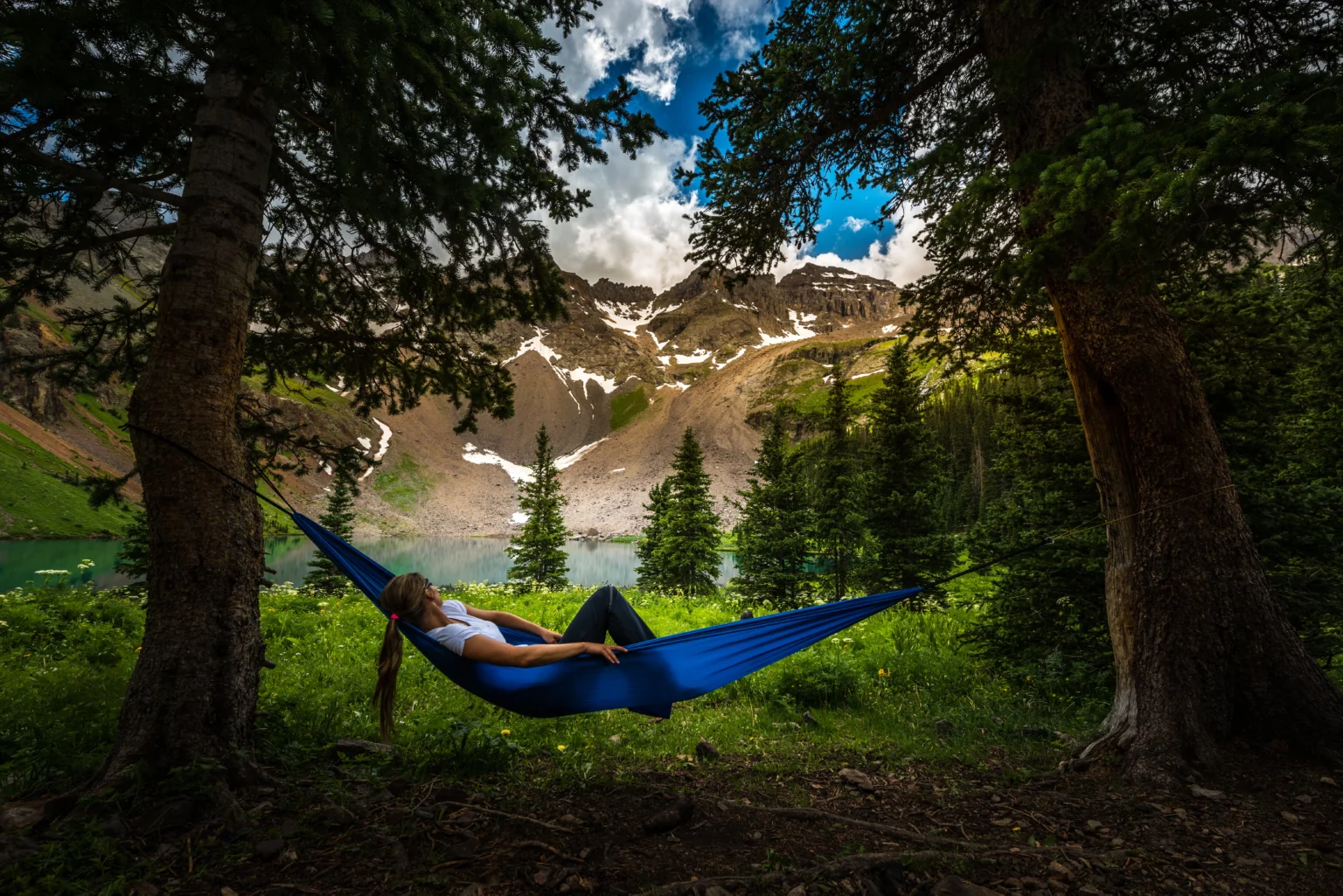
5. Trout fishing – relaxation and trout from farm to plate
Few things compare with the satisfaction of catching the fish yourself – and the trout you catch is yours to take home. At Albota you will find fishing rods on site; the fish you catch is weighed, paid for and taken home, and the restaurant cooks the trout raised here – from farm to plate – in three ways:
- Trout grilled with garlic sauce and golden polenta.
- Trout in a cornmeal crust, crisp and easy to eat with your hands.
Sour trout soup with hot pepper, a fresh and slightly spicy surprise.
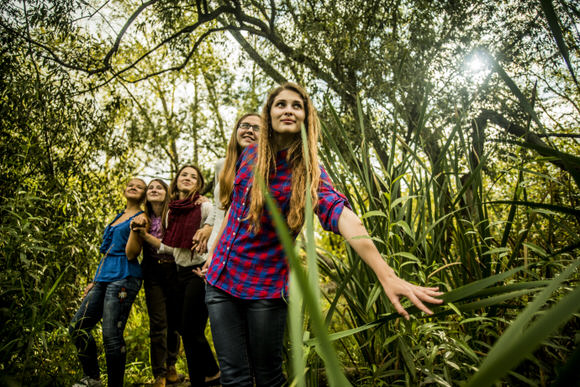
6. Brâncoveanu Monastery – Sâmbăta de Sus, a spring of quiet
Not far from Albota, among centuries-old fir trees, stands the monastery re-founded by Constantin Brâncoveanu in the 17th century. The white façades, the carved porches and the pastel frescoes breathe balance, and the spring in the courtyard — considered healing — draws pilgrims from all over the country.
The monks run glass-painting workshops, and if you arrive at the end of October, the colours of autumn explode around the walls, creating a spectacular contrast with the dark shingle roofs. Respect the quiet of the place: phone on silent, decent clothes and an open heart are all you need in order to enjoy it fully.
7. Discover the traditional villages of Făgăraș Land
A whole day spent digging for local stories and flavours, without hurrying, from one village to the next:
- Cârțișoara — start at the Badea Cârțan Museum, where you learn the story of the shepherd-scholar who crossed the Alps on foot.
- Nucșoara — stop at an organic smallholding to taste smoked curd cheese, made over a gentle fire in a fir-wood smokehouse.
- Fofeldea — at lunchtime, a housewife is waiting for you with veal stew cooked in a cauldron; the wood crackles under the pot and the smell reminds you of childhood.
- Lisa — later you visit the watermill, over a century old, still driven by the same brisk stream.
- Sâmbăta de Sus — you end the day with home-made cakes and artisan coffee at the “La Izvoare” café, listening to the murmur of a cold spring.
Along the way you will catch sight of small wooden churches, hand-carved stone crosses and terraced hay barns over which the autumn poplars spread like a golden blanket.
8. Cable car to Bâlea Lake – the panorama without the effort
Even in winter, when the hairpins of the Transfăgărășan close under the snow, the cable car from Bâlea Cascadă keeps running. In twelve minutes you climb more than six hundred metres of height difference and arrive in an enchanted world: whitened rocks, ice crystals along the floor of the valley and air that wakes up all your senses.
In summer the ride is just as spectacular, with fresh green everywhere, and up there you can have a picnic, take drone photographs (respecting the National Park rules) or simply sit on the shore of the lake and watch the shadows of the clouds move across the mirror of the water. At the end of June, violet crocuses cover the hillsides, and at the beginning of September the grass turns as yellow as honey.
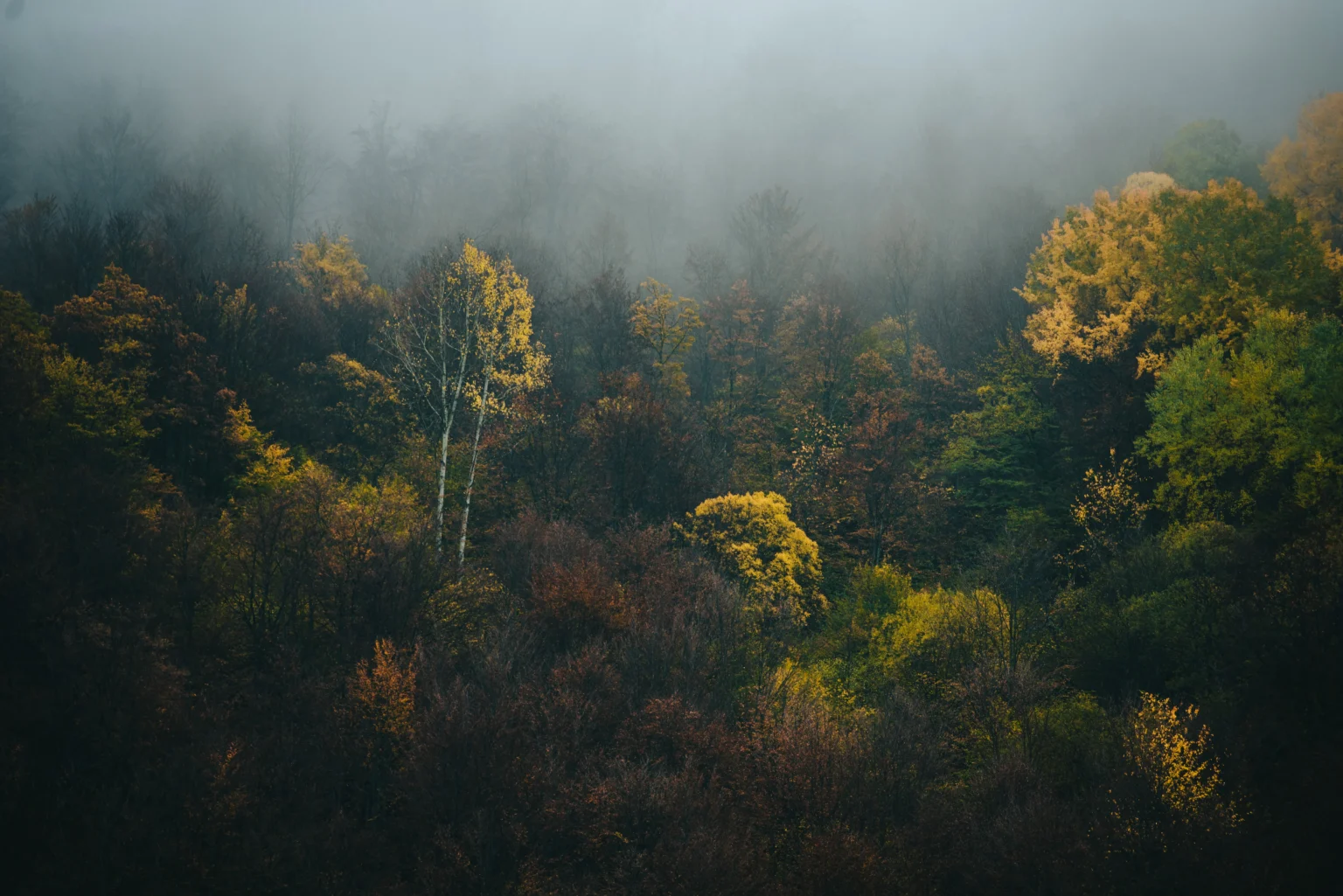
9. Tasting local cheeses – flavour straight from the haystack
Near Albota, in the village of Galeșu, a family of livestock farmers reveals to you the secrets of burduf cheese and smoked kashkaval. The tour begins in the milking parlour, continues with the copper vat where the raw milk curdles and ends in a natural cave, always kept at twelve degrees Celsius, where the wheels of cheese mature slowly.
The tasting takes place in the barn, at a long wooden table: burduf cheese with red onion jam, smoked kashkaval alongside mixed-flower honey and, if the season allows, warm whey cheese with dill. You go home with a “goodie bag” kept cool, just right for a festive meal once you are back from your trip.
10. Guided tours in the Făgăraș Mountains – stories from the heights
Local guides organise tours adapted to every level of fitness:
- Easy half-day tour – from Arpășel chalet to Capra Lake on a circular route; includes a picnic break and explanations about the flora and fauna.
- Medium one-day tour – setting off along the Fundu Caprei Valley, climbing up to Portița Arpașului and coming down by a different route; the guide brings a safety kit and takes professional photographs of the group.
- Advanced two-day expedition – traversing the ridge via Viștea Mare to Moldoveanu Peak, camping in a tent or staying at a chalet, depending on the weather.
Why is a guide worth it? Safety comes first, especially when the paths disappear into the fog. On top of that, you hear legends such as the one about the Dragon of Căldarea Dracului and you see, perhaps for the first time, edelweiss in its natural habitat.
A practical planning guide – turn the plan into reality
When to come
– Spring (April–June): green pastures, waterfalls at their fullest.
– Summer (July–August): pleasant temperatures, ideal for Moldoveanu peak.
– Autumn (September–October): multicoloured foliage, cheeses and fresh grape must.
– Winter (December–February): ice hotel, snowshoes, evenings by the fireplace.
How to get here
– By car: DN1 Sibiu–Brașov; at Arpașu de Sus you turn towards Cârțișoara, then follow the asphalted local road.
– By train: get off at Avrig or Ucea station; Albota can arrange a transfer.
– By plane: Sibiu International Airport; private transfer on request.
What to pack
– Layered clothing for changeable weather.
– Comfortable footwear — boots and something light to wear around the guesthouse.
– Accessories: SPF cream, hat, 20 l backpack.
– Cash: the small villages have no ATM, and craft products can only be paid for in cash.
Conclusion: reconnect with nature, with tradition and with yourself
Albota and its surroundings offer an irresistible mix of spectacular mountains, authentic villages, clean food and a tourism infrastructure that respects its roots. You can clear your mind on quiet paths, challenge your body on ridges that touch the sky, spoil your taste buds with matured cheeses and crisp trout, and your soul with the quiet of the monasteries or with the history-laden stones of Făgăraș Fortress.
Do not forget: the end is not a finish but a new beginning. Once you have experienced the ten activities above, you will discover that the list stays open. The Făgăraș also has gorges to explore, rides through clearings and simple moments of sitting in the sun on a bench, listening to the tinkle of sheep bells. Your luggage is waiting, the paths are ready, the matured cheese is releasing its aromas, and Albota is opening its gates wide. Make your booking, close the laptop and come and write your own story between the blue heights of the Făgăraș.
Arpașu de Sus no. 505, Sibiu County, Romania
The map loads from Google only after you click — until then, no cookies are sent.