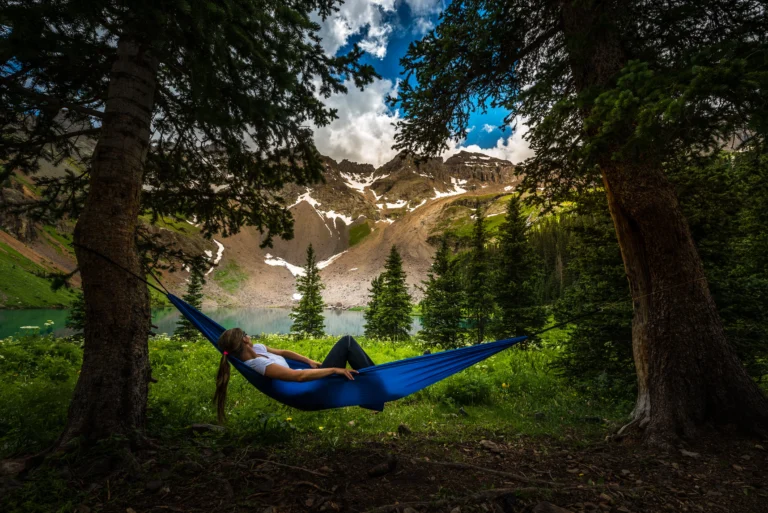
Enjoy the crisp mountain air, the quiet of centuries-old forests and the warm smile of hosts who welcome you with home cooking and stories by the fire. In the lines below you will find information about the experiences waiting for you at Complex Albota — a hidden corner of paradise between Sibiu and Brașov, at the foot of the imposing Făgăraș Mountains. Whether you are coming for the first time or already count yourself among the devoted “Albota regulars”, you will find inspiration here, practical information and small local secrets that turn a simple trip into a memory worth telling your grandchildren.
Why Complex Albota? The story of a modern retreat with the scent of times past
When you say Albota, you are saying more than “tourist complex”; you are saying a world of its own, built on the foundation of Transylvanian hospitality, surrounded by clear waters and dramatic ridges, scented with fir trees and grilled trout. Set at an altitude of roughly 590 m, in the village of Arpașu de Sus, the estate stretches like a bright seam between two key points: Sibiu and Brașov. Access is easy, along the DN1, and the last few kilometres slip past orchards, shepherds’ folds and old watermills, preparing you for the spectacle of the mountains.
The complex includes:
- Albota Trout Farm — where the “quicksilver” of the mountain streams becomes the delight on your plate;
- Cabins and rooms rated 3-4 stars with views of the Făgăraș ridges;
- A restaurant with terrace, serving local dishes and selected wines;
- A leisure area (fishing lakes, sports courts, gazebos);
- Our own farm and herb garden, so that every ingredient is as fresh as it can be.
Everything you see here has grown organically, out of respect for nature and out of a wish to give hikers an authentic “nest” in which to recharge after a day on the trails. And those trails, believe me, are among the most beautiful in Romania.
The Făgăraș Mountains for everyone: a short geographical and cultural introduction
The Făgăraș Mountains form the central and highest part of the Southern Carpathians, home to no fewer than eight peaks above 2,500 m, the highest of which — Moldoveanu (2,544 m) — dominates the horizon like a silent king. The range stretches for some 70 km, from the Olt Valley to the Rucăr-Bran corridor, and its steep flanks shelter glacial lakes, historic mountain huts, wild corners full of chamois and magnificent coniferous forests.
Down the centuries, the ridges of the Făgăraș have witnessed the shepherd masters driving their flocks up to pasture, the negotiations between Saxons and Romanians, the legends about outlaws’ treasure and a few mad engineering projects — see the Transfăgărășan, the road that winds like asphalt lace up to an altitude of 2,042 m, at Bâlea Lake.
For the modern hiker, the Făgăraș remains a challenge: changeable weather, large differences in elevation, technical sections, but also a scenic reward that is hard to match. With the right gear and respect for the environment, the experience becomes pure joy.
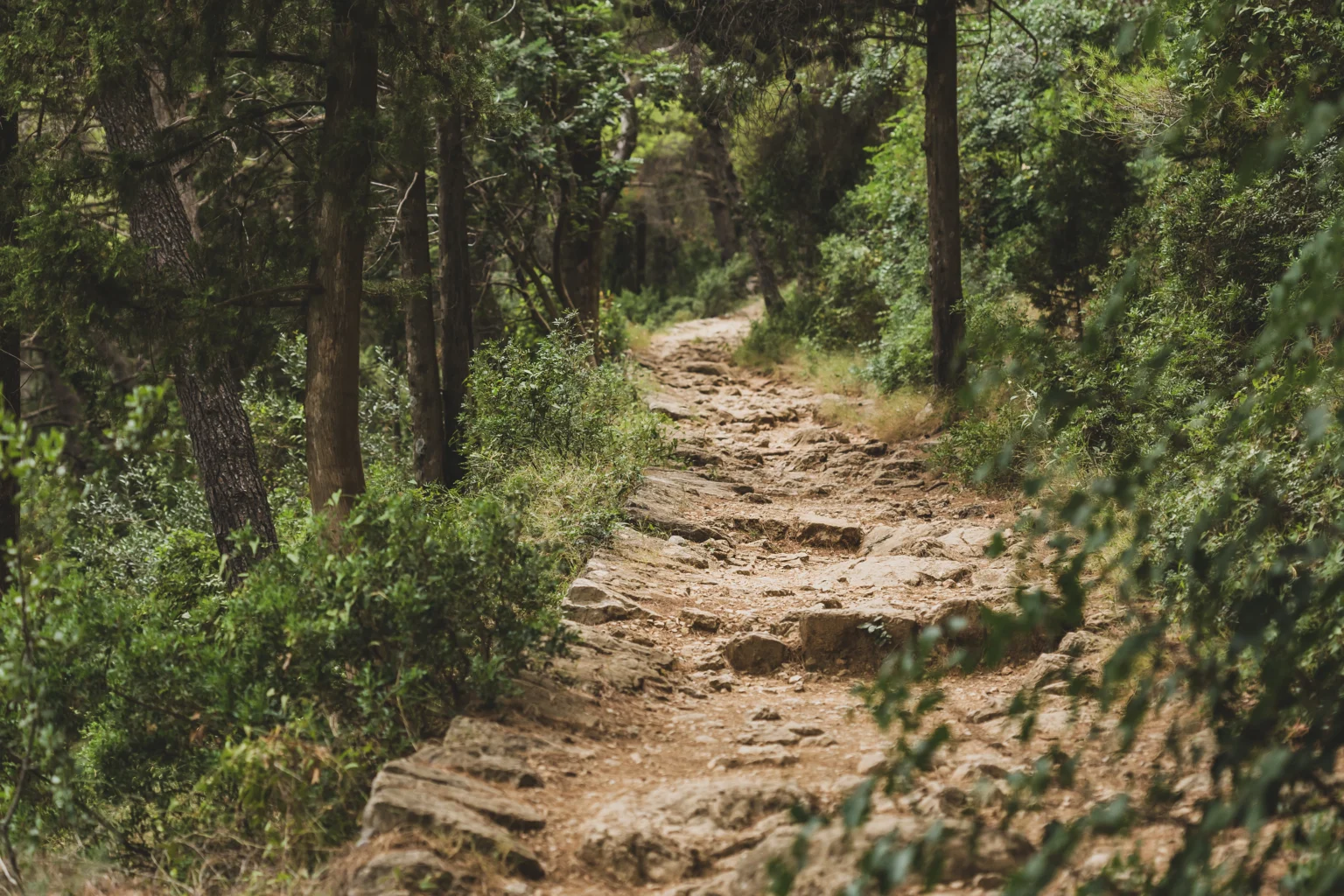
Easy trails: your first steps into alpine hiking
The Trout Farm and Albota Lakes Loop (2-3 hours, 150 m elevation gain)
Starting point: the main alley of the complex.
Key points: the Big Lake (where you can watch the trout being fed), the wooden footbridge, the lookout gazebo.
This is the perfect route for families with small children, or for a lazy afternoon after lunch. The path follows the bank of the stream gently, runs through the forest and climbs easily to a platform from where the panorama shows you Suru Peak and Muchia Albotei. Children will love the mini lesson in aquatic biology (the complex team provides information panels about the ecosystem of the lakes) and, of course, the homemade ice cream served when you get back.
Podragu Valley – the Small Waterfall (3 hours there and back, 200 m elevation gain)
A mini canyon hidden among the spruces leads you to a rock over which the water drops in two steps. On sunny days the spray creates a fleeting rainbow, the perfect spot for Instagram-worthy photos. The path has wooden railings where the gorge narrows, and at the end a rustic bench waits for a quick snack.
Medium-difficulty trails: adventure just one step away
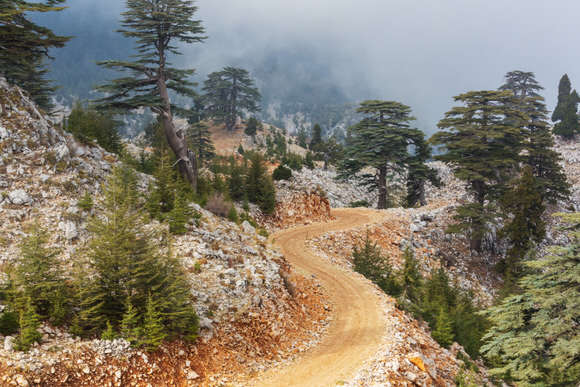
If you are already used to walking in the mountains but want something more than a stroll, here are three options that combine spectacular views with moderate effort.
Trails: No. 2: Arpășel Valley – Arpășel Cirque
Total duration: ~9 hours (4-5 h up | 4 h down)
Elevation gain: 840 m
Trail marking: red cross
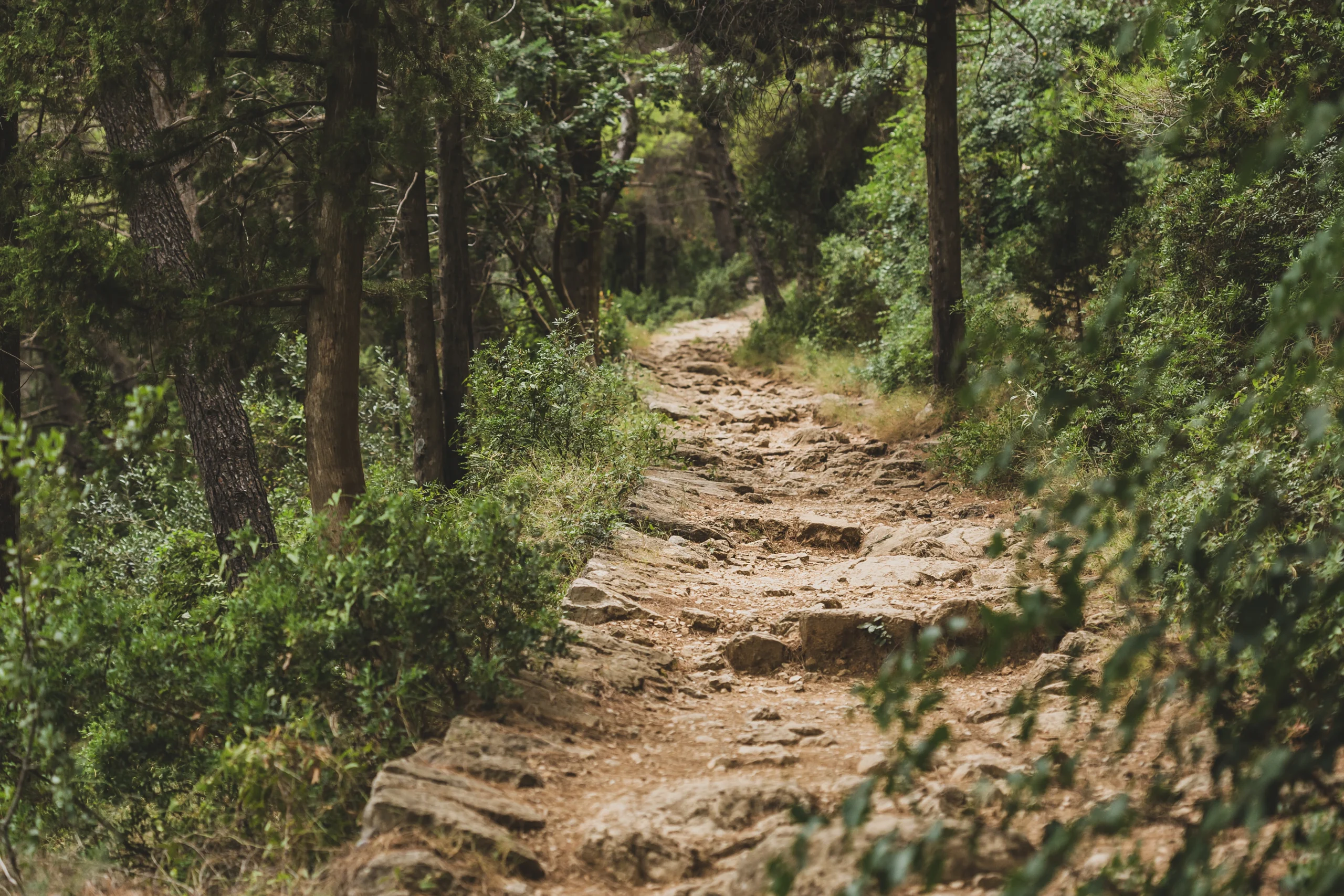
The famous Arpășel Valley lies near the trout farm. At first the path feels like child’s play: wooden bridges over the crystal-clear stream, a little mud here and there, birdsong echoing under the fir canopy. After an hour the ground becomes steeper, the wet stones demand attention, and the reward arrives as the view opens towards Arpășel Cirque (1,540 m), a glacial amphitheatre where rock spires are mirrored in turquoise pools. A lunch break here is compulsory!
Local tip: if you arrive at the end of June you will catch the rhododendron in bloom; the fuchsia-pink carpets contrast sharply with the fresh green and the grey of the rocks.
Moasa Valley – Piatra Caprei
Duration: 6-7 hours
Elevation gain: 700 m
Trail marking: red triangle
A less-trodden route, favoured by photographers for dramatic shots of clouds clinging to the rocky edges. You set off near the complex across a suspended footbridge over the Arpaș, then climb through a succession of large boulders where miniature waterfalls have carved out glossy basins. The last section cuts through a belt of dwarf pine, and Piatra Caprei — a rock spur shaped by erosion — gives you a perfect balcony over Podragu Lake, set dizzyingly 400 metres higher up.
Șerbota Saddle – Spreleaua Viewpoint
Duration: 5 hours (there and back)
Elevation gain: 650 m
Trail marking: yellow dot
If you like clearings and smooth slabs where you can stop for a bit of yoga, this path is for you. It first crosses an area of shaded gullies, then comes out onto an alpine meadow full of moss and rare flowers (edelweiss, rock bellflower). On clear days you can even make out the southern part of the Transfăgărășan, winding like a metal snake towards Bâlea.
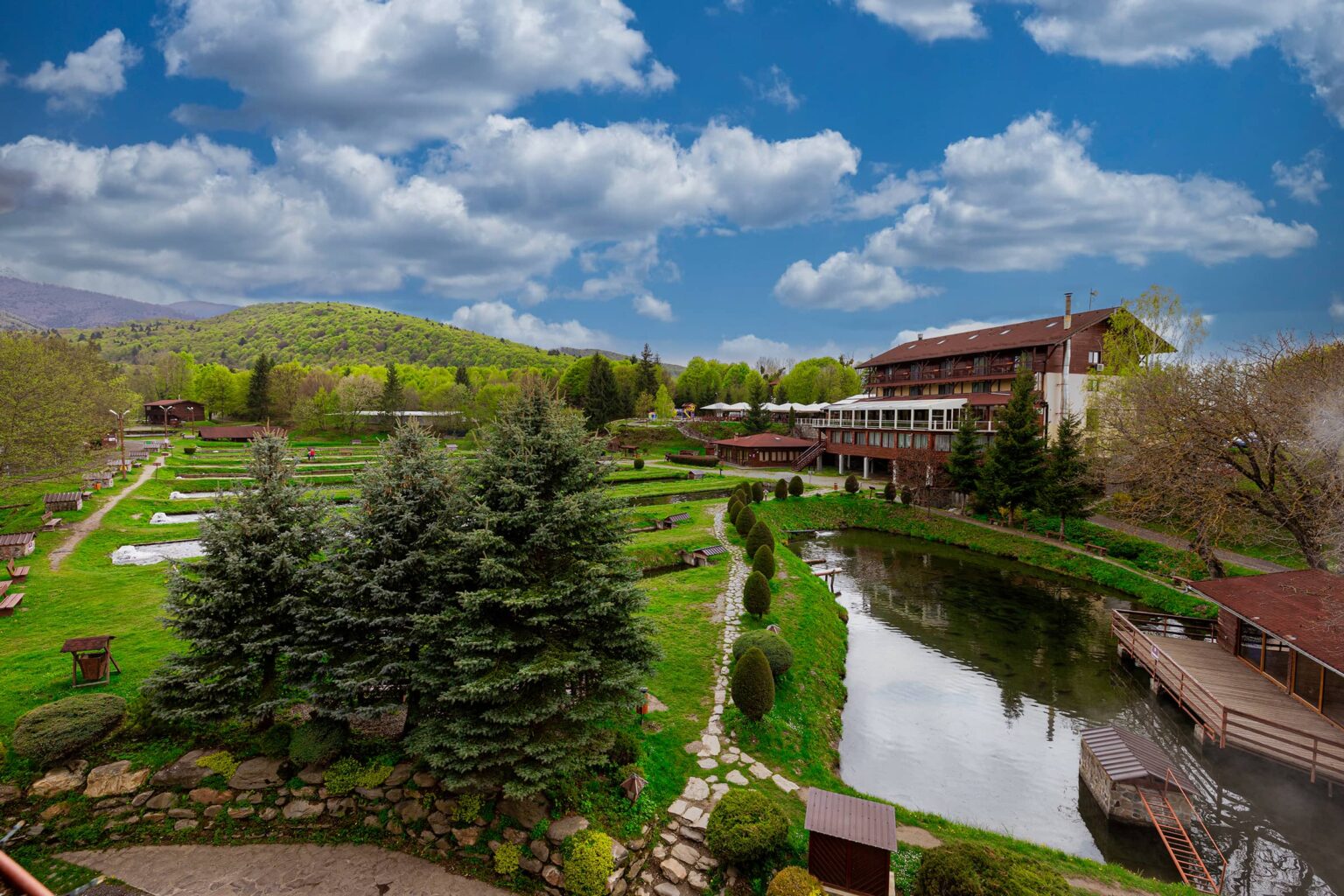
Difficult trails: the ultimate challenge for experienced hikers
Trails: No. 3: Muchia Albotei – Furca Albotei Peak (1,941 m)
Duration: ~9 hours (4.5 h up | 3.5 h down)
Elevation gain: 1,350 m
Trail marking: blue dot
This is the crema of the itineraries around the complex. An early start (6-7 a.m.) is essential in order to avoid the afternoon storms. The first two hours are spent in a young fir forest where the air smells of resin and damp earth. Then the path comes out onto Muchia Prislop, a narrow ridge with drops on either side that puts your balance to the test. The crampons on your boots become your most reliable allies on the unstable scree.
Furca Albotei Peak rewards the effort with a 360° panorama: Moldoveanu and Negoiu look a stone’s throw away, and if you are lucky you can even see the silver shimmer of Bâlea Lake. The view makes you forget your trembling legs and your ragged breathing.
Safety note: in winter or in late autumn the route requires crampons, an ice axe and experience walking on ice. Otherwise the risk of slipping is high.
Scara Refuge – Scara Peak (2,306 m)
Duration: 10-11 hours (including the return)
Elevation gain: 1,250 m
Trail marking: red stripe as far as the Avrig Saddle, then yellow cross.
This route is the bold dream of every mountain runner and, in equal measure, a lesson in endurance for hikers with a heavy pack. You cross open alpine ground, traverse rock shattered by freeze and thaw and, at the end, reach the refuge, orange as a clementine, perched on a platform of scree. From here another 45 min of climbing (grade 1A) brings you to Scara Peak, where the winds tell legends of the daring few who crossed the Făgăraș ridge in only two days.
The Glacial Lakes Circuit (Bâlea – Capra – Podragu – Avrig)
Duration: 2 full days (with a night at Cabana Podragu)
Elevation gain: ~2,000 m in total
For those who want to go “all in”, this circuit includes six glacial lakes, two peaks above 2,400 m and a crossing of one section of the famous Trail Trans. The logistics (accommodation, permits, a detailed forecast) are vital, but the satisfaction of moving from the glassy surface of Capra Lake to the hidden tarns in the Podragu cirques outweighs any tiredness.
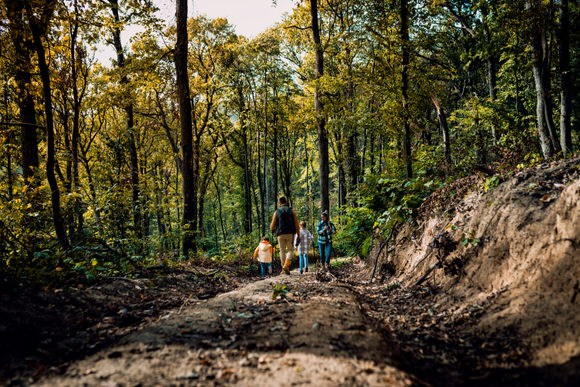
Flora and fauna of the Făgăraș Mountains: unforgettable encounters
Besides the well-known Carpathian bear, the Făgăraș is home to wolves, lynx, chamois and Carpathian red deer. In summer the chamois appear on the rocks high above, and the wings of the golden eagle stand out in the shadow of the ridges.
As for the flora, you will come across:
- Rhododendron myrtifolium (dwarf alpenrose) — the star of June’s pink carpets;
- Dianthus callizonus (rock pink) — endemic to the Piatra Craiului massif, protected by law;
- Leontopodium alpinum (edelweiss) — a symbol of courage;
- Alpine pastures dotted with juniper, wild thyme and rock moss, ideal for aromatic teas.
Respect the environment: do not pick rare flowers and do not feed wild animals. Watch, photograph and let nature stay untouched for the generations to come.
Practical tips for a carefree hike
- The right gear for the trails
- Waterproof boots with Vibram soles;
- Layers, “onion layering” style: technical T-shirt, thin fleece, softshell, hardshell jacket in your pack;
- Adjustable telescopic poles.
- Waterproof boots with Vibram soles;
- Plan your routes in advance
- Always check the walking time and the elevation gains;
- Use apps such as Munteanu, Munții Noștri or printed alpine maps.
- Always check the walking time and the elevation gains;
- Water and snacks
- Recommended: at least 2 L of water per person; add electrolyte tablets;
- Snacks: a mix of nuts, dried fruit, an oat bar with cranberries.
- Recommended: at least 2 L of water per person; add electrolyte tablets;
- Respect nature
- Bring a small rubbish bag and take everything back with you;
- Keep quiet in areas signposted as wildlife habitat.
- Bring a small rubbish bag and take everything back with you;
- Check the weather
- Apply the 3 × 3 rule: check 3 days before, 3 hours before, and at 3 key moments along the route.
- In the Făgăraș, storms build up fast. If you hear thunder, drop below the tree line.
- Apply the 3 × 3 rule: check 3 days before, 3 hours before, and at 3 key moments along the route.
- First-aid kit
- plasters, an elastic bandage, Betadine;
- personal medication + antihistamines;
- a survival blanket.
- plasters, an elastic bandage, Betadine;
- Digital safety
- The Salvamont Făgăraș number: 0 SALVAMONT (0725 826 668);
- Register at reception with your itinerary; if you are late, the Salvamont rescuers will be alerted.
- The Salvamont Făgăraș number: 0 SALVAMONT (0725 826 668);
Sustainability and responsibility: “Leave the mountain as you found it”
Complex Albota has put in place water filtration systems, LED lighting and separate waste collection. But the responsibility does not lie with the hosts alone, it lies with the guests too. Choose:
- to use the reusable canteens provided with your packed lunch;
- to walk on the marked paths (avoiding erosion of the lichens);
to support local producers — buy cheese, honey and fir syrup directly from the sheepfolds and the little houses in the area.
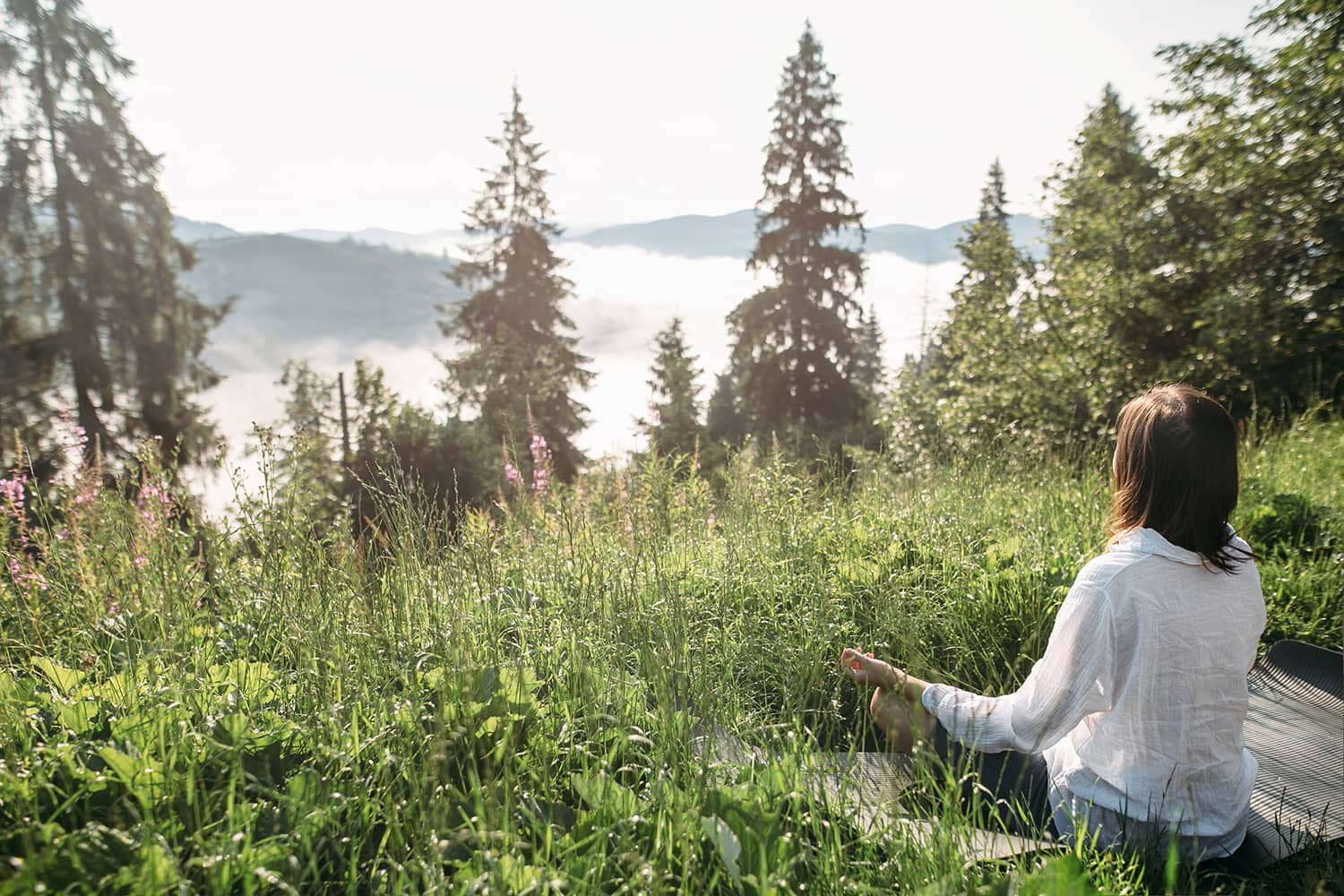
A step back in time: local legends and stories
It is said that in the forests below Șerbota Peak there once lived an old shepherd, Albotea, who spoke with the flowers and the deer. When he drew his last breath, the deer mourned him for three days, and from their tears the Albota stream was born, as clear as good thoughts, as cold as the truth. The trout that live in it are said to be scales of light scattered by the shepherd’s soul to guide walkers on their way. Even if the legend is no more than a pastoral rumour, the water here really does look translucent, almost surreal.
In conclusion: hiking at Albota — the passion that keeps calling you back
Whether you are planning a short family outing or the conquest of a lofty peak, Complex Albota gives you the ideal setting: safe infrastructure, stunning landscapes, authentic food and, above all, a homely atmosphere. The Făgăraș Mountains are not simply mountains, they are true natural cathedrals. They demand respect, preparation and curiosity. In return, they give calm, inner strength and memories for a lifetime.
So pack your rucksack, close your laptop and set your steps on the picturesque paths around Albota. There, between the rustle of fir trees and the murmur of water, you will discover — literally and figuratively — the beauty of the Făgăraș Mountains. And when you come back, you will know that part of your heart stayed up there, beating at altitude, ready to call you again.
We look forward to seeing you at Albota. Adventures are not told, they are lived!
Arpașu de Sus no. 505, Sibiu County, Romania
The map loads from Google only after you click — until then, no cookies are sent.